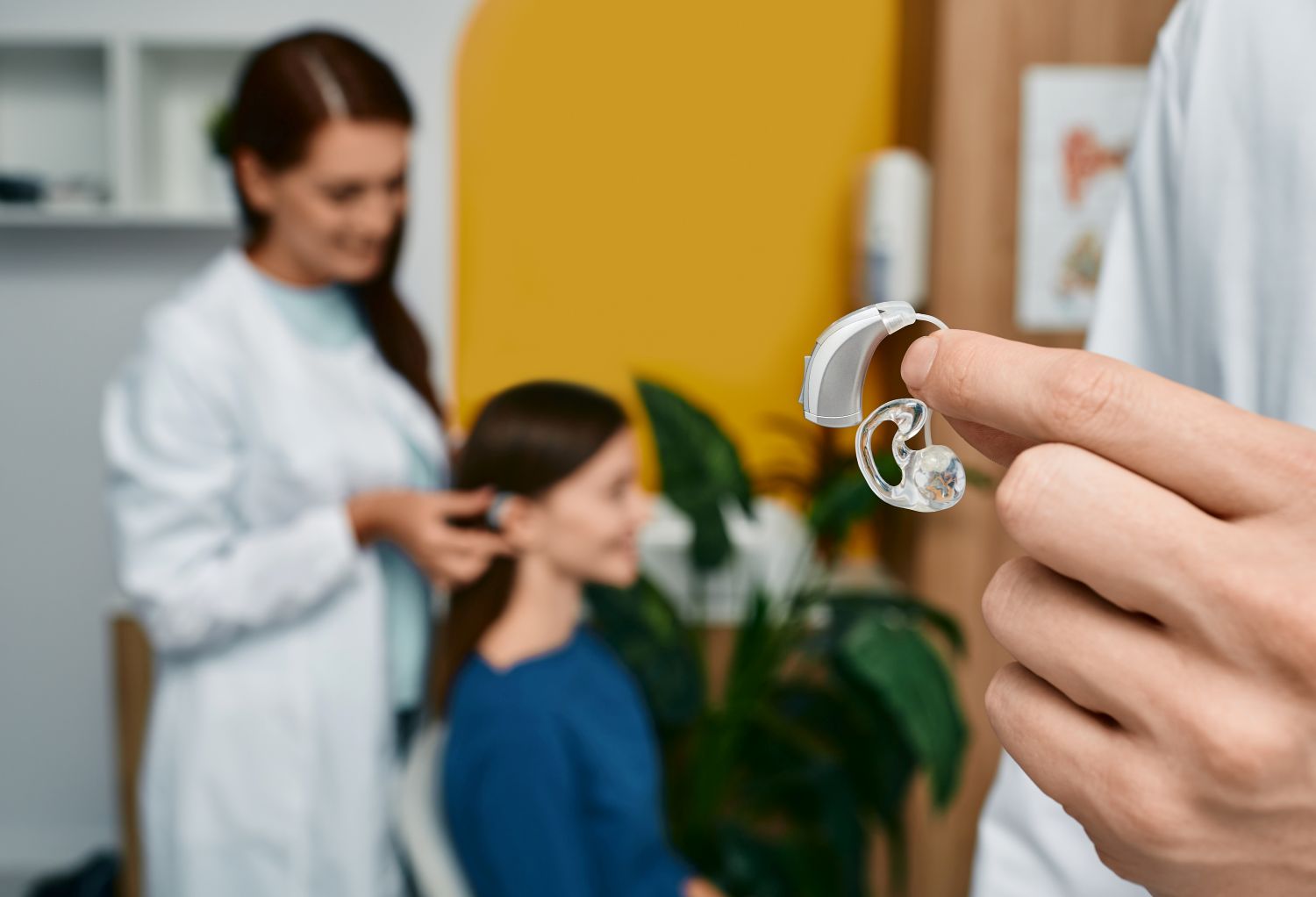
Tinnitus, commonly characterised by a persistent ringing or buzzing sensation in the ears, affects millions of individuals globally and can have a profound impact on daily functioning and overall well-being. This article examines the causes and prevalence of tinnitus, its effects on quality of life, and the various treatment options available, including traditional therapies as well as innovative solutions such as cochlear implants. We will provide a comprehensive overview of the cochlear implant process, encompassing evaluation and surgery, as well as the transition to life with this device, while also offering practical strategies for effectively managing tinnitus. Join us as we explore valuable insights and support for individuals facing the challenges associated with tinnitus.
Understanding Tinnitus and its Impact
Tinnitus is a complex auditory phenomenon defined by the perception of sound in the absence of external acoustic stimuli, which significantly affects individuals’ quality of life and mental well-being.
This condition may arise from a variety of causes, including hearing loss, inner ear damage, or exposure to loud noises.
The auditory system, comprising the auditory nerve and the brain’s processing mechanisms, plays a critical role in the manifestation of tinnitus and its impact on an individual’s daily experiences.
Those affected by tinnitus frequently report challenges in sound perception and communication, which can contribute to various psychological issues, including anxiety and depression.
Causes and Prevalence of Tinnitus
The causes of tinnitus are multifaceted, with hearing loss identified as one of the most common triggers. This hearing loss may result from factors such as noise exposure, ageing, or underlying ear conditions.
The landscape of tinnitus is extensive, incorporating a variety of factors that can contribute to its onset. Research indicates that nearly 90% of individuals with tinnitus also experience some degree of hearing loss, which is primarily associated with prolonged exposure to loud sounds, including machinery, music, or gunfire.
Conditions such as acoustic neuroma, a benign tumour on the auditory nerve, can result in persistent ringing in the ears. Additional contributing health issues encompass ear infections, earwax buildup, and systemic diseases such as hypertension and diabetes.
Recent studies estimate that approximately 15% of the global population suffers from tinnitus, highlighting the necessity for healthcare professionals to actively engage in the diagnosis and effective management of this potentially debilitating condition.
Effects on Daily Life and Quality of Life
Tinnitus can significantly impact daily life, resulting in challenges related to sound perception, communication, and overall quality of life for those who experience it.
The persistent ringing or buzzing sounds associated with tinnitus can hinder an individual’s ability to engage in conversations, often leading to misunderstandings and social withdrawal. This auditory distraction may strain interpersonal relationships, diminish cognitive function, and negatively affect emotional well-being, as individuals may experience feelings of frustration or isolation.
To alleviate these effects, various coping strategies are available, including:
- sound therapy
- cognitive behavioural therapy
- mindfulness techniques
Implementing relaxation exercises and utilising background noise can also aid in masking the sounds of tinnitus, thereby allowing for improved concentration and enhanced social interactions.
By exploring a range of therapeutic interventions, individuals can regain control over their auditory experiences and substantially improve their overall quality of life.
Treatment Options for Tinnitus
A range of treatment options for tinnitus is available, including:
- sound therapy
- hearing aids
- cognitive behavioural therapy (CBT)
- advanced healthcare technologies designed to enhance patient outcomes
Traditional and Alternative Treatments
Traditional treatments for tinnitus typically encompass sound therapy, hearing aids, and various therapeutic interventions aimed at alleviating symptoms and enhancing the auditory experience for patients.
Plus these conventional methods, sound masking has gained traction as an effective approach, wherein external sounds are employed to reduce the perception of ringing or buzzing in the ears. Patients may also find value in utilising hearing devices that amplify ambient sounds, thereby creating a more balanced auditory environment.
Furthermore, alternative treatments such as mindfulness techniques can significantly aid in the management of tinnitus symptoms by promoting relaxation and awareness, which effectively reduces the stress associated with the condition.
Lifestyle modifications, including the adoption of a healthy diet and the incorporation of regular exercise, can further contribute to a holistic approach, enhancing overall well-being and fostering resilience against the challenges presented by tinnitus.
The Role of Cochlear Implants in Treating Tinnitus
Cochlear implants have emerged as a viable treatment option for individuals suffering from tinnitus, particularly those with profound hearing loss, by directly stimulating the auditory pathways and enhancing sound perception.
This innovative device bypasses damaged regions of the inner ear, delivering sound signals directly to the auditory nerve, which can significantly alleviate the distressing symptoms associated with tinnitus. Patients who receive cochlear implants often report that improved auditory clarity helps diminish the perception of ringing or buzzing commonly experienced with tinnitus, thereby providing essential relief.
It is imperative for patients to be thoroughly educated about the functionality of cochlear implants and their benefits in managing both hearing loss and tinnitus. Comprehensive patient education enables individuals to set realistic expectations and grasp the multifaceted role of these implants in enhancing their overall quality of life.
The Cochlear Implant Journey for Tinnitus
The process of obtaining a cochlear implant for tinnitus encompasses several essential steps.
- Comprehensive audiological assessments,
- A thorough evaluation of candidacy,
- A clear understanding of the rehabilitation process required for effective sound integration.
Evaluation and Candidacy for a Cochlear Implant
Determining the eligibility for a cochlear implant necessitates a comprehensive clinical evaluation conducted by an audiologist, who will assess the patient’s hearing levels, tinnitus symptoms, and overall auditory health.
This evaluation process should also incorporate insights from ear specialists to ensure a thorough understanding of the patient’s specific auditory challenges. Factors such as the duration of hearing loss and its impact on communication abilities are critical components of this assessment.
A multidisciplinary approach is essential, as collaboration between audiologists and ENT specialists can lead to more informed and effective treatment plans. Comprehensive assessments not only refine the criteria for candidacy but also facilitate shared decision-making between the patient and healthcare providers.
This collaborative process ultimately influences patient outcomes and enhances the potential for improved hearing and quality of life.
The Surgery Process and Recovery
The surgical process for cochlear implants requires meticulous planning and execution, followed by a critical recovery phase that is essential for the successful integration of the device into the auditory system.
During this period, patients receive comprehensive support from a multidisciplinary team that is attentive to their individual needs. The surgical procedure typically involves the precise insertion of the implant into the cochlea, after which patients undergo thorough education regarding the expectations and necessary care following the operation.
Recovery encompasses not only physical healing but also significant emotional and psychological support, which is vital for adjusting to the new auditory experience. Advanced healthcare technology plays a crucial role in rehabilitation, offering tools such as sound processors that enhance auditory feedback.
Regular follow-up care is essential, as it allows for adjustments to be made to the device, thereby optimising hearing outcomes and creating a supportive environment for patients as they navigate this transformative journey.
Adjusting to Life with a Cochlear Implant
Adjusting to life with a cochlear implant presents both exciting opportunities and significant challenges, as patients embark on a journey to navigate their new auditory experiences and relearn sound discrimination through rehabilitation.
This process typically involves a structured auditory training programme aimed at helping withdividuals in interpreting the sounds within their environment, which is essential for effective communication. Ongoing support from healthcare professionals is critical, as they provide necessary guidance and reassurance throughout this transformative journey.
Additionally, community resources, such as support groups and local organisations, play a vital role by fostering connections among patients who share similar experiences. Personal narratives of triumph from others who have successfully embraced this adjustment can serve as powerful motivation, encouraging patients to remain dedicated to their rehabilitation efforts and helping them recognise that they are not alone in this journey.
Tips for Managing Tinnitus with a Cochlear Implant
Managing tinnitus with a cochlear implant requires the implementation of multiple strategies, including the use of sound therapy devices and the adoption of adaptive coping mechanisms aimed at enhancing auditory health and overall well-being.